

Table of Contents
- What You'll Need to Measure for a Hinged Knee Brace
- How to Measure for a Hinged Knee Brace: Step-by-Step
- Measurement Variations for Different Brace Types
- Signs Your Knee Brace Is Too Tight
- How Long to Wear a Hinged Knee Brace for ACL Recovery
- Adjusting a Range of Motion Knee Brace
- Common Mistakes to Avoid When Measuring and Fitting
- Troubleshooting Fit Issues
- Frequently Asked Questions
Last Updated: September 23, 2026
What You'll Need to Measure for a Hinged Knee Brace
Getting the right fit for a hinged knee brace starts with gathering the right tools. You'll need a soft measuring tape (the kind used for sewing works best), a pen to mark measurement points on your skin, and ideally a mirror or second person to help. Some people find it helpful to wear fitted shorts or leggings so the tape sits directly against your skin without bunching fabric underneath.

The measuring tape should be flexible and marked in centimetres. A rigid ruler won't work because it won't conform to the curves of your leg. If you don't have a soft tape measure at home, they cost just a few dollars at most chemists or fabric shops. Having good lighting is also important, natural daylight near a window works better than overhead lights, which can cast shadows and make it harder to see anatomical landmarks clearly.
Wear the same type of clothing you'll typically wear with the brace. If you plan to wear it under work trousers, measure while wearing those. If you'll wear it over bare skin during exercise, measure without clothing on that leg. This matters because fabric thickness changes where the brace sits and how snug it needs to be.
How to Measure for a Hinged Knee Brace: Step-by-Step
Measuring for a hinged knee brace requires precision at specific anatomical points. The process takes about five minutes and follows a clear sequence. Getting these measurements right is the difference between a brace that works and one that migrates or feels uncomfortable.

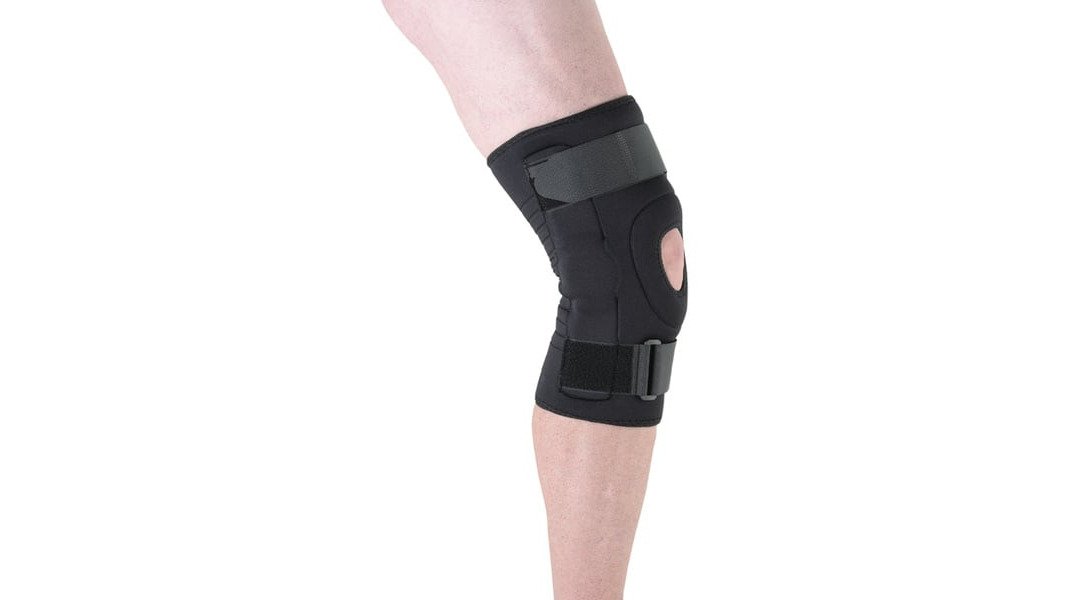
Step 1: Locate the Mid-Patella and Joint Line
Start by finding your mid-patella, which is the centre point of your kneecap. Place your fingers directly on the kneecap and mark this spot lightly with a pen. This is your reference point for all other measurements.
Next, locate the joint line. This is the crease you feel when you bend your knee slightly. The joint line runs horizontally across your knee, just below the kneecap. You can feel it by placing your fingers on either side of your kneecap and gently bending your knee. Mark this line as well, it's critical for proper hinge positioning.
The distance between your mid-patella and the joint line should be roughly 3-4 centimetres. If you're measuring for a range of motion knee brace that limits extension and flexion, the hinge placement depends on this measurement. Hinges positioned too high or too low will either dig into soft tissue or fail to support the joint properly.
Step 2: Measure Your Thigh Circumference
Measure around your thigh at a specific point: approximately 10 centimetres above the mid-patella. Wrap the tape measure snugly but not tightly around your thigh at this level. The tape should sit flat against your skin without gaps.
Write down this measurement in centimetres. This is your thigh girth. Most hinged knee braces use thigh circumference as the primary sizing measurement. The thigh measurement determines the width of the support sleeve and how the upper cuff will fit.
Keep the tape in the same position and measure again to confirm. Measurements that vary by more than half a centimetre suggest the tape wasn't sitting at the same height both times. Consistency matters here because sizing charts use exact ranges.
Step 3: Measure Your Calf Circumference
Measure around your calf at the widest point of the calf muscle. This is typically 10-15 centimetres below the joint line. Wrap the tape measure around this point snugly.
Write down your calf measurement. This is your calf girth. The calf measurement ensures the lower portion of the brace sits securely without slipping down your leg. A calf that's larger than expected relative to the thigh sometimes means you need a size up, even if the thigh measurement suggests otherwise.
Measure twice to confirm. The two measurements should match within half a centimetre.
Step 4: Determine the Correct Brace Size
Compare your thigh and calf measurements against the sizing chart for the specific brace you're considering. Most manufacturers provide charts that cross-reference these measurements with their size options.
If your measurements fall between two sizes, you need to think about how the brace will be used. If you'll be wearing it for long periods during daily activity, choose the larger size for comfort. If you're using it for short-term support during recovery, the smaller size may provide better stabilisation.
Some people measure slightly larger on one leg than the other due to swelling, muscle development, or previous injury. Measure both legs if one knee is more problematic than the other. You may need different sizes for each side. If your measurements are borderline, contact a healthcare professional to confirm the best fit for your specific situation.
Measurement Variations for Different Brace Types
Not all hinged knee braces measure the same way. Soft support braces, prefabricated rigid braces, and custom-fitted options each have slightly different measurement protocols.

Soft support braces with hinges (like neoprene designs) typically use just thigh and calf circumference. These braces rely on compression and gentle guidance rather than rigid stabilisation. Measurement precision is less critical here because the material stretches slightly.
Rigid hinged braces require more precise measurements because the frame must align with your anatomical landmarks. In addition to thigh and calf measurements, you may need to measure the distance from your hip to your ankle to ensure the hinge aligns correctly with your knee joint line. This is where anatomical positioning becomes crucial for proper support.
Some braces account for swelling. If you're measuring during recovery from acute injury, your leg may be swollen. Many physiotherapists recommend measuring when swelling is minimal (typically first thing in the morning) and then choosing a size that accommodates slight swelling without becoming too loose.
Signs Your Knee Brace Is Too Tight
A brace that's too tight creates problems. Your skin may show red marks or indentation after wearing it for an hour. You might feel tingling or numbness in your foot or calf, which signals restricted blood flow. Some people experience increased pain rather than relief because the compression is excessive.
Check for these specific warning signs. If the strap indentation doesn't disappear within 15 minutes of removing the brace, it was too tight. If you experience numbness that lasts more than a few minutes after removal, the compression was restricting circulation. Colour changes in your skin (pale or bluish tones) are a clear signal to loosen or resize immediately.
A brace that migrates downward during activity may actually be too tight at the thigh, creating a pressure point that causes the leg to swell below the brace, pushing it down. This seems counterintuitive but happens frequently. Loosening the thigh straps slightly can actually improve stability by preventing migration.
Adjust the straps gradually. Most hinged braces have multiple strap points. Loosen the upper thigh strap first, then check fit. If the brace still feels too tight, loosen the calf strap. The goal is firm support without restriction.
How Long to Wear a Hinged Knee Brace for ACL Recovery
Wearing duration depends on your recovery stage and what your physiotherapist recommends. Early in recovery (first 2-4 weeks after injury or surgery), many people wear braces most of the day. As healing progresses, wearing time typically decreases.
During the acute phase, you might wear the brace during all weight-bearing activities and remove it only for sleeping or bathing. As swelling reduces and strength returns (usually after 4-6 weeks), you can transition to wearing it during specific activities like walking or light exercise, then remove it for seated work.
By 8-12 weeks post-injury, many people wear braces only during higher-impact activities or when they feel instability. Full return to unrestricted activity without a brace depends on your injury severity, surgical procedure, and individual healing rate. Some people continue wearing braces for months during sports or demanding physical work, even after formal rehabilitation ends.
The key is listening to your knee.
Adjusting a Range of Motion Knee Brace
Range of motion braces limit how far your knee bends and straightens. These are common after ACL reconstruction or other ligament injuries. The hinges have adjustable stops that control extension and flexion limits.
Common Mistakes to Avoid When Measuring and Fitting
The most common mistake is measuring over clothing. Even thin fabric creates measurement errors. Measure directly against your skin for accuracy.
Troubleshooting Fit Issues
If your brace slips down your leg during activity, the problem is usually at the thigh. The upper cuff isn't tight enough. Tighten the thigh straps gradually, starting with the top strap. If tightening doesn't help, you may need a smaller size.
Frequently Asked Questions
What size hinged knee brace do I need?
Your brace size depends on your thigh and calf circumference measurements. Measure your thigh 10 centimetres above the mid-patella and your calf at its widest point. Compare these measurements to the sizing chart provided by the brace manufacturer. If you fall between two sizes or have significant swelling, consult a healthcare professional to determine the best fit for your needs.
How do I know if my measurements fall between two sizes?
If your measurements place you between sizes, consider your activity level and swelling patterns. If you experience significant swelling, choose the larger size to accommodate it without restricting circulation. For mild swelling or if you're uncertain, a healthcare professional can recommend which size provides optimal support for your recovery stage and body type.
How long should I wear a hinged knee brace for ACL recovery?
Wear duration varies based on your recovery stage and healthcare provider's recommendations. Initially, you may wear the brace during most daily activities and exercise. As your knee strengthens, you may gradually reduce wearing time. Always follow your physiotherapist's or doctor's guidance, as individual recovery timelines differ. Some people transition to wearing the brace only during physical activity after several weeks.
Can I adjust the straps on my hinged knee brace myself?
Yes, you can adjust the straps for comfort and support, but adjustments require care. Tighten straps gradually to achieve firm support without restricting blood flow or causing numbness. Check the fit regularly, especially during the first week of use. If you experience tingling, colour changes, or increased discomfort after adjustment, loosen the straps immediately and consult a healthcare professional about proper tension levels.
0 comments